

Telefunken TF39 vs TF47: Which Fits Better?
The Telefunken TF39 and TF47 both offer multiple pickup patterns, so this decision goes beyond the number of settings on the power supply. Their documented capsule, tube and transformer designs differ, and they are voiced toward different recording preferences.
Start with the sound you are seeking
Consider the TF39 when you want the Copperhead family’s balanced presentation. Consider the TF47 when a more forward midrange is part of your intended sound. Use those descriptions to build a shortlist, then judge recordings of sources similar to yours.
| Feature | TF39 | TF47 |
|---|---|---|
| Patterns | Cardioid, omni, figure-8 | Cardioid, omni, figure-8 |
| Capsule design listed | K67-style | K47-style |
| Tube listed | 5654W | 5840W |
| Transformer listed | Lundahl | BV8 |
| Price | €1,549.99 | €1,799.99 |
Prices checked on 16 September 2026 for Spain, in EUR. The listed products were available at that check. Prices and availability can change; confirm the selected model, destination and delivery charges before ordering.
TF39: a balanced starting point for varied sessions
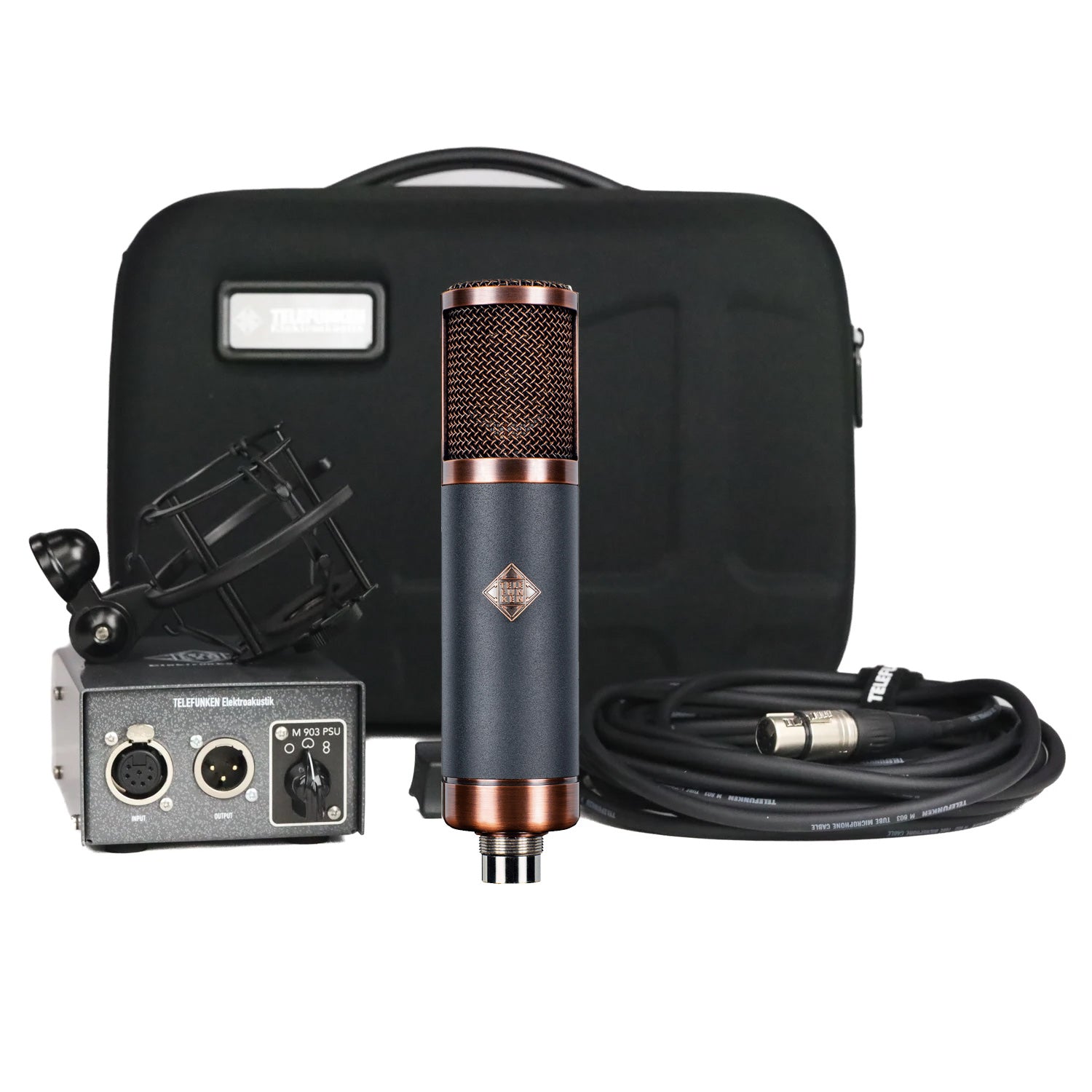
The TF39 combines the Copperhead design with cardioid, omnidirectional and figure-8 selection. ScaleNordic’s listing describes a natural midrange and lists vocals, electric guitar, drums, saxophone, piano and banjo among its uses. That makes it a candidate for a studio wanting one tube microphone to cover different sources.
For a singer-songwriter, the appeal is a microphone you can evaluate on the voice and then try on an instrument, with pattern options available when the room or arrangement calls for a different pickup. The practical question is whether its recorded balance reduces the work needed to fit the performance into your mix.
A natural-response description is still not a promise of an uncolored recording. The performer, distance, room and preamp remain part of the result. Compare the TF39 in a realistic recording chain, rather than judging only a solo sample played louder than the alternative.
TF47: a different voicing, not just an upgrade tier
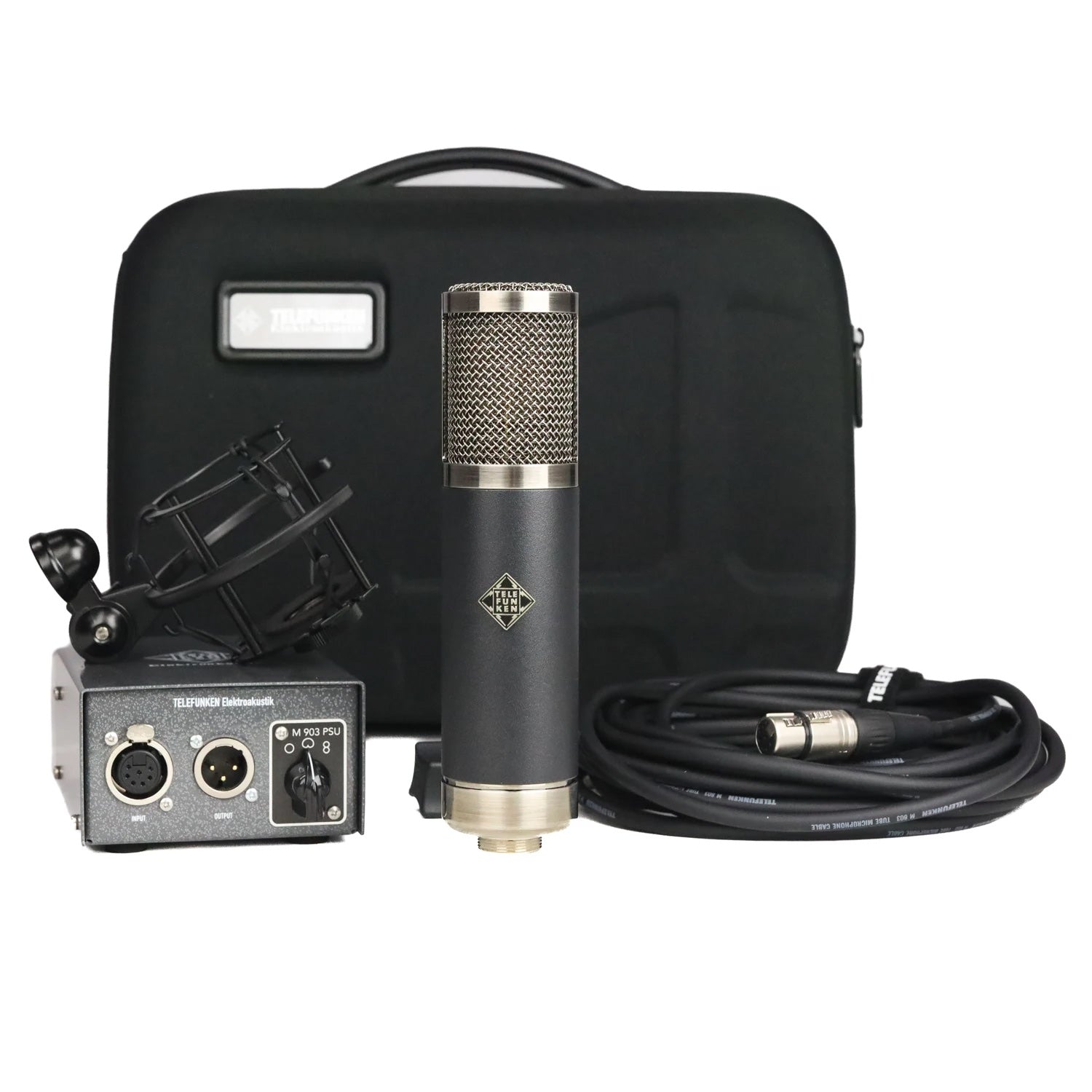
The TF47 listing identifies a K47-style capsule, 5840W tube and BV8 transformer. It describes a fuller low end and more forward midrange, with applications including vocals, guitar amplifiers and drums. Those are useful clues when you want a source to have a more substantial presence in a recording.
It is inspired by classic German tube microphones, but that does not make it interchangeable with a vintage U47 or M49. Buy the TF47 for its own documented design and the results it produces with your source, rather than expecting a particular historic microphone merely because the inspiration is familiar.
At the checked prices, the TF47 costs €250 more than the TF39. That difference buys a different design and voicing. Both already offer three patterns, so it does not buy an additional selection of pickup directions.
A better way to compare them for vocals
- Choose a reference performance with quiet phrases, loud notes and clear consonants.
- Keep room position, distance and recording chain consistent when auditioning.
- Match playback levels, then listen both solo and against the intended arrangement.
- Decide whether you want more midrange emphasis or a more balanced starting point; avoid equating brighter or louder with better.
- Check how much EQ you would use to reach your target sound. A preferred raw sound may not be the preferred sound in the mix.
Manufacturer samples can help narrow the choice when an in-person comparison is impossible. Use the same musical source across samples wherever possible, and remember that a recording of a different singer cannot predict your own result exactly.
Use the patterns for the room and arrangement
Both microphones offer cardioid, omni and figure-8. If you are recording a single singer, cardioid is a reasonable place to start. Additional patterns let you change how much and which parts of the surrounding sound are captured. They are tools for placement and arrangement, rather than a way to repair an unsuitable room automatically.
Check the package and the rest of the setup
The current ScaleNordic listings for both systems include an M903 power supply, M803 tube microphone cable, shock mount, stand mount, case and sleeve. Confirm the current product-page contents before purchase. Leave space for the supply and cable route, and follow the manufacturer’s connection procedure.
The dedicated connection between the tube microphone and its supply is part of the system. Use the supply’s audio output to feed the appropriate preamp or interface input; do not treat these systems like USB microphones.
What the different components tell you—and what they do not
The capsule, tube and transformer specifications help explain why these are distinct designs. They are not three independent sound controls. A K47-style capsule does not guarantee a particular result regardless of the surrounding circuit, and the transformer name alone does not tell you how a finished vocal will sit in a track. Judge the microphone as a complete system.
This is particularly relevant when shopping from written descriptions. “Forward midrange” is a useful direction for an audition, but it is not a measurable promise that every voice will become larger or clearer. “Balanced” is equally contextual. A balanced solo recording can still need EQ to fit an arrangement, and an intentionally characterful recording can be the easier one to mix.
Build your shortlist around the source
An exposed singer-songwriter vocal
For a voice that carries a sparse arrangement, evaluate both quiet detail and the weight of the sustained notes. The TF39 is the natural starting point if you want the Copperhead presentation described above. Add the TF47 when you specifically want to explore a more substantial low-end and midrange balance. Listen to the guitar or piano alongside the voice: the most pleasing solo tone is only part of the decision.
A vocal in a busy production
Here the question is which microphone leaves the words understandable without demanding excessive correction. Compare how each interacts with the instruments occupying the middle of the mix. A forward character may help a voice establish its place, or it may add weight where the arrangement is already crowded. That outcome depends on the singer and production, so neither model earns an automatic genre label.
A studio covering several performers
If you record different singers every week, audition more than one voice before spending the budget. Include a source that usually sounds bright and one that tends to sound less defined. Decide whether you need a dependable general starting point or another distinct option beside microphones you already own. The same TF47 purchase can be useful as a contrasting choice in one collection and redundant in another.
A fair listening test separates level, placement and processing
Begin with the same passage and a consistent position, then match playback levels. Record without corrective processing where practical so you can hear the starting point. If a sample is compressed, equalized or reverberant, it demonstrates that finished chain rather than the microphone alone. When using published demonstrations, look for information about the performer, distance, pattern and processing before drawing a conclusion.
After the controlled comparison, optimize each microphone separately. This second step matters: the position that suits one design is not guaranteed to be the best position for the other. Note which changes improved the result and whether the singer can maintain that position comfortably. You are buying a tool for sessions, so a sound that is easy to reproduce has practical value.
Finish by making a quick mix with each take at a similar vocal level. Note the corrections you need rather than counting every EQ adjustment as a failure. A small, predictable adjustment is ordinary recording work. Repeatedly fighting the same unwanted quality is stronger evidence that another microphone may suit the source better.
Diagnose common disappointments before changing models
If the voice sounds too heavy, try a different distance and reassess the low-frequency balance before attributing everything to the TF47’s voicing. If consonants sound uncomfortable, compare the angle and performance level as well as the microphone. If the recording feels distant, listen for room reflections and check whether the position captures the intended balance between direct sound and space.
Make one change at a time and label the test recordings. Otherwise, changing the microphone, position, gain and processing together leaves you unable to say which change helped. This troubleshooting habit is useful with either model and prevents an expensive exchange from becoming the first response to a placement problem.
When the lower-priced option is the stronger purchase
If the TF39 produces the balance you need and already covers your pattern requirements, the TF47’s higher price is not a reason to replace it. Conversely, if the TF47 gives a preferred result on your regular sources, the €250 difference can be a deliberate investment in that character. Set that choice alongside the rest of the recording budget and the microphones already available to you.
A useful final note is a single sentence describing the job: “I want a multi-pattern Copperhead for varied sessions,” or “I want a contrasting tube microphone with the TF47’s documented voicing.” If you cannot yet finish that sentence, compare suitable audio examples before deciding. Specific recording needs are a better guide than assuming the model with the larger number is universally superior.
Frequently asked questions
Which is best for a bright voice?
There is no reliable answer from the model name alone. Use the documented voicing to shortlist, then compare with a similar source. A more forward midrange and a brighter top end are not the same thing.
Can both record acoustic instruments?
Both can be considered for instrument recording. Choose according to the source, the room and the balance you want rather than reserving a tube microphone exclusively for vocals.
Is the TF47 worth the extra €250?
It can be if its voicing is the one you want. If you simply need multi-pattern Copperhead flexibility, the TF39 already provides it at the lower checked price.
Choose a character, then check the system
Explore the TF39 and explore the TF47 for current pricing and package details. Explore the Telefunken range at ScaleNordic →
Based on current ScaleNordic product information and the Telefunken Alchemy Series manual. Tonal descriptions are based on documented product information; no hands-on comparison is claimed.